
Digital Rights Digest | Dec 8-14
Australia bans social media for under-16s while Denmark wants to follows suit. Age verification infrastructure is spreading globally, and it affects everyone.

On Our Radar 🎯
Age Verification Goes Global: Australia's Ban Is Just the Beginning
Australia just became the first country to ban social media for anyone under 16. Denmark announced they're following suit. And the EU is exploring similar measures.
Here's what makes this dangerous: Age verification doesn't just affect kids—it requires everyone to prove their age. That means showing ID, uploading documents, or submitting to facial recognition scans just to access social media, forums, or any platform where minors might be present.
The infrastructure being built for "protecting children" creates a surveillance system that tracks every adult online. Once these systems exist, the scope expands. Today it's social media for under-16s. Tomorrow it's "adult content" for under-18s. Eventually, it's requiring ID verification for any platform the government deems necessary to "protect" someone.
Australians teens are already trying to beat the checks, but the surveillance infrastructure affects everyone else permanently. The EFF's new resource hub breaks down hidden dangers of age verification, from data breaches to excluding online communities to enabling government censorship.
Make no mistake, this is building the infrastructure to control who can speak, where, and when. And it's spreading fast.
Personal Note: I'm hearing from community members how some countries are trying to implement this with better privacy via technologies like Zero Knowledge Proofs. While I think this is a great improvement in addressing the privacy concerns, it still doesn't solve the other fundamental problems outlined above.
What you can do: Read and develop your talking points for why these laws are dangerous by visiting the EFF's Age Verification Hub — then figure out who your representatives are and express to them your concerns with these technologies. This is being proposed nearly everywhere, so it's quite likely you have work to do.
Bits & Bytes 🤖
~ Man Arrested for Wiping Phone Before Border Search
A traveler was charged with obstruction after factory-resetting his Google Pixel before U.S. Customs and Border Protection could search it. CBP claims he "destroyed evidence" by wiping the device. This sets a terrifying precedent: exercising your right to privacy becomes criminal obstruction.
Our take: Wiping your device shouldn't be obstruction. But if you're under investigation, know that deleting data can be used against you. The safest approach: maintain good security hygiene before you travel (encrypted devices, minimal data on your phone), not panic-wiping at the border.
~ EU Proposes Gutting GDPR Protections in the Name of "Red Tape Cuts"
The EU's new "Digital Package" promises to cut bureaucratic red tape by actually weakening GDPR privacy protections. The proposal makes it easier for companies to process personal data and harder for individuals to enforce their rights—all while claiming to "modernize" privacy rules.
Our take: "Cutting red tape" is code for "making it easier for companies to abuse your data." GDPR isn't perfect, but weakening it now, while AI-fueled surveillance capitalism runs rampant, is moving in the wrong direction.
~ India Pushes for Greater Phone Location Surveillance
India is considering requiring Apple, Google, and Samsung to provide real-time location data from smartphones to law enforcement without individual warrants. The companies are pushing back, but the proposal would create mass surveillance infrastructure affecting hundreds of millions of people. They're also trying to require only KYC'd SIM cards to be used with encrypted messengers.
Our take: This is the nightmare scenario: always-on location tracking accessible to government without oversight. If India succeeds, other countries may follow. The world's eyes are on India, and we need to do what we can to support our Indian friends fighting these things. Even the big tech companies think this goes too far and jeopardizes users.
This Week on Techlore 📺
Most notably, we announced the shutdown of our forum in favor of consolidating everything here on Ghost. You can learn more here and we'll have a video coming soon:
Techlore’s New Home: Our Platform Transition & What’s Next
Everything: videos, podcasts, blog, newsletter, and memberships—is now consolidated at techlore.tech, powered by Ghost.
 Henry Fisher
We interviewed Marc Prud'hommeaux from F-Droid on Google's dangerous new policies for Android in an insightful Techlore Talks episode:
Google’s New Policy is an “Extinction Event” (F-Droid Interview)
Techlore Talks brings you in-depth conversations with the experts at the forefront of digital rights, privacy and security.
 Henry Fisher
This week's Surveillance Report was a deep dive on many of the stories shared in this digest:
Your Age Is Now Required: Australia’s Social Media Ban Explained
This week’s Surveillance Report covers the dangerous reality that social media bans ARE age verification, India’s push for even more invasive phone surveillance, a massive vulnerability actively exploited against major companies, the EU’s new proposal to gut GDPR protections, Petco’s escalating security disasters, border agents charging people for protecting their
 Henry Fisher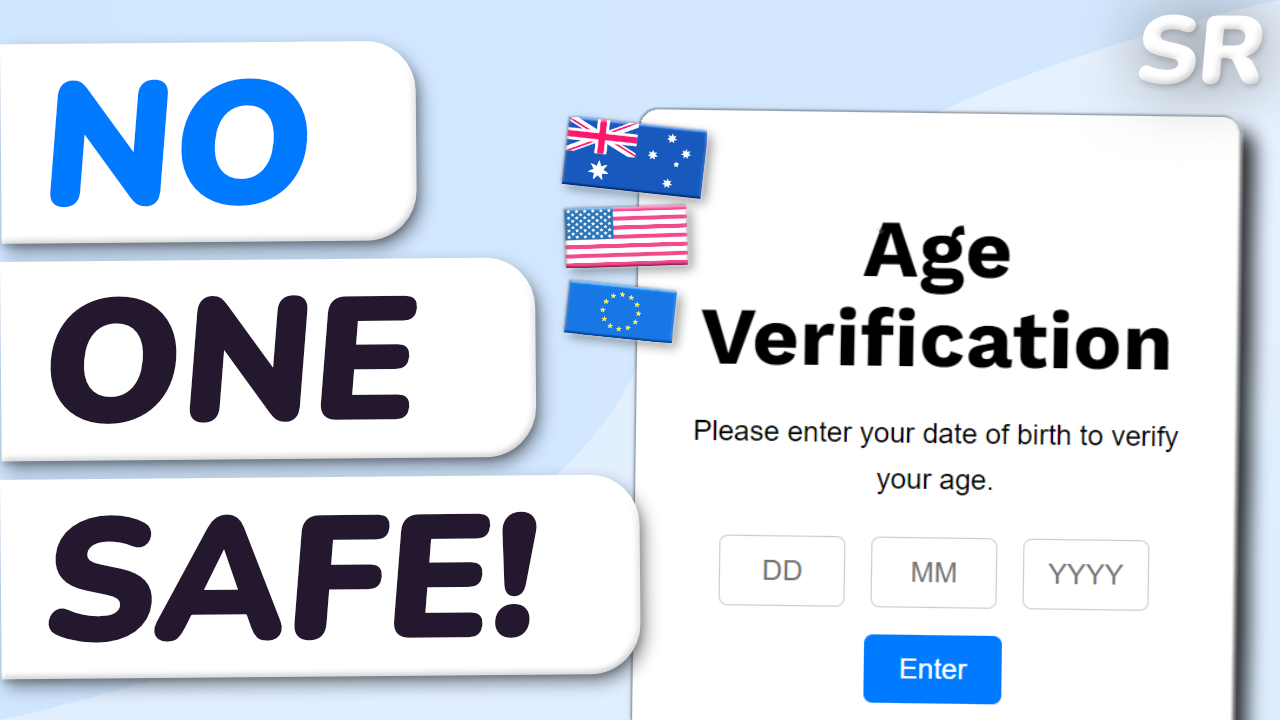
We did some coverage on Chat Control, how there are still concerns, and what we need to do in the coming weeks:
Chat Control 2.0: From Mass Scanning to Killing Anonymity
The EU’s “Chat Control” regulation has returned with a dangerous twist: “voluntary” mass scanning and mandatory age verification that ends anonymous communication for 450 million Europeans. This isn’t just an EU issue - it’s part of a global crackdown on privacy affecting everyone who uses WhatsApp, Signal, and other messaging
 Henry Fisher
Finally, we did a quick review of an encrypted flash drive that works without software:
Encryption Without Software (iStorage datAshur PRO+C Review)
The iStorage datAshur PRO+C is a hardware-encrypted USB-C flash drive that requires a PIN to unlock - no software needed. In this review, we test this security device to see if it’s worth it for protecting sensitive data across all operating systems without any drivers or apps. Watch on
 Henry Fisher
Action Item ✅
This week: If you live in a country considering age verification laws (US, UK, EU, Australia, etc.), contact your representatives. Use a template, or ideally write your own explaining why age verification creates surveillance infrastructure that affects everyone—including you—not just kids. Make it clear that "protecting children" doesn't justify building a digital ID system for the entire internet.
Even better: Share the EFF's age verification resource hub with at least one person who doesn't work in tech or privacy. Regular people need to understand this before it's normalized.
Written by

Know Your Rights. Protect Your Freedom.
Digital Rights Digest—threats to your freedom and how to fight back. A five-minute weekly read, 100% free.