Apple Fixed A Leak Without Telling Anyone, Plus More VPN News and Flock's Creepy Police AI
Mullvad, Obscura, Apple, and Firefox all shipped VPN improvements this week. Plus Flock's police AI, Meta's $16.68B settlement, and X killing Nitter.


📰
Listen to the weekly podcast on Apple Podcasts, Spotify, other podcast apps, or RSS. You can also watch Surveillance Report on YouTube or Techlore.TV
On My Radar 🎯
Four VPN Updates Landed This Week...With No Catches!
If you've been following Techlore for a while, you know that a week with not just one positive VPN story, but four is quite extraordinary! Here's what's changed:
- Mullvad shipped multihop modes. Multihop is their feature that routes you through two servers before you reach a site. What's new is how you turn it on. Alongside "always" and "never," there's now a "when needed" mode that automatically routes through a nearby compatible entry server and exits through your chosen location. While I don't personally use multihop, this is a genuine usability upgrade for those of you looking to maximize your Mullvad privacy.
- Obscura VPN launches on Windows. Obscura is a VPN relay which distributes trust across themselves and Mullvad VPN, so neither party sees the whole picture, similar to Apple's Private Relay model. They started Apple-only, added Android, and now Windows, with the device cap raised to five to match. I've interviewed Carl from Obscura if you want to learn more about this open source project. (And they're offering 25% off as part of this launch!)
- Apple Quietly Patches Their Leak. Speaking of Private Relay: Apple quietly patched the DNS leak that the Mysk team recently disclosed. Apple fixed it with no mention in the security release notes. I think the choice to sweep this under the rug is a mistake; when people's safety depends on these tools, silently patching does not rebuild confidence that the tools are safe to use.
- Firefox brings its free VPN to Android, with iOS to follow. Fifty gigabytes, free, in the browser. If you're already running a dedicated VPN, this isn't aimed at you. It's aimed at the friends and family who now get basic IP protection without a subscription conversation. I interviewed a Firefox team member about this free VPN earlier this year if you'd like to learn more about the service.
What you can do: Check whether you are still affected by the Private Relay leak at leaks.psylo.app, some third party browser may still be impacted. If you've got family on Firefox, tell them the VPN is there, it's a low-friction privacy win available to non-technical people!
Bits & Bytes 🤖
~ Story 1: Flock's New AI Gives Police a Search Engine for Your Movements
Wired obtained the code behind Flock's new AI tool for law enforcement. This tool identifies drivers and tracks vehicles by movement patterns alone, turns plates into names, home addresses, and relatives, and can search everyone inside an area you draw on a map.
My take: What Flock has built is the equivalent of someone following you through public and private space for weeks, stored with a private company you never opted into using, and that data is automatically piped to police. That's a Fourth Amendment problem, and it's an egregious invasion of privacy. In fact, the Flock CEO directly said he feels Americans should 'compromise' on their privacy. I'm sure he'd love that 🙄
~ Story 2: Meta Settles for $16-18 Billion Over Harms to Kids
Meta reached a settlement with US states over social media harms to children. Separately, New Zealand introduced a bill requiring Instagram, TikTok, Snapchat, and Facebook to verify users are over 16.
My take: The 16-18 billion is certainly a win, but the EFF is more critical than I am and they're right to be: the settlement embeds age assurance into every product, mandating more data collection from users of all ages, and the data-minimization terms don't stop states from using what's collected for other law enforcement purposes. Separately, New Zealand is chasing a policy Australia already ran, where teenagers bypassed it, more ID got uploaded, kids ended up less private, and the platforms themselves changed nothing.
~ Story 3: X Forces Nitter and XCancel Offline
X Corp (Formerly known as Twitter) sent cease-and-desist letters on August 24 demanding permanent takedown of Nitter instances and the project's repo. Nitter.net is down and the maintainer is seeking legal advice. (Nitter & XCancel are private frontends to be able to access X content.)
My take: This hostile behavior towards frontends is problematic, but isn't unique to X: Reddit, Facebook, YouTube and Instagram all try to attack frontends, because accounts are where the ads and the control are. I believe if you publish anything and have any kind of following, you owe your audience an off-ramp from these platforms to make frontends not necessary for your audience. That's the entire reason we self-host techlore.tv, why we're on Bluesky & Mastodon, and why we publish our content here on Ghost in a publicly-accessible manner.
This Week on Techlore 📺
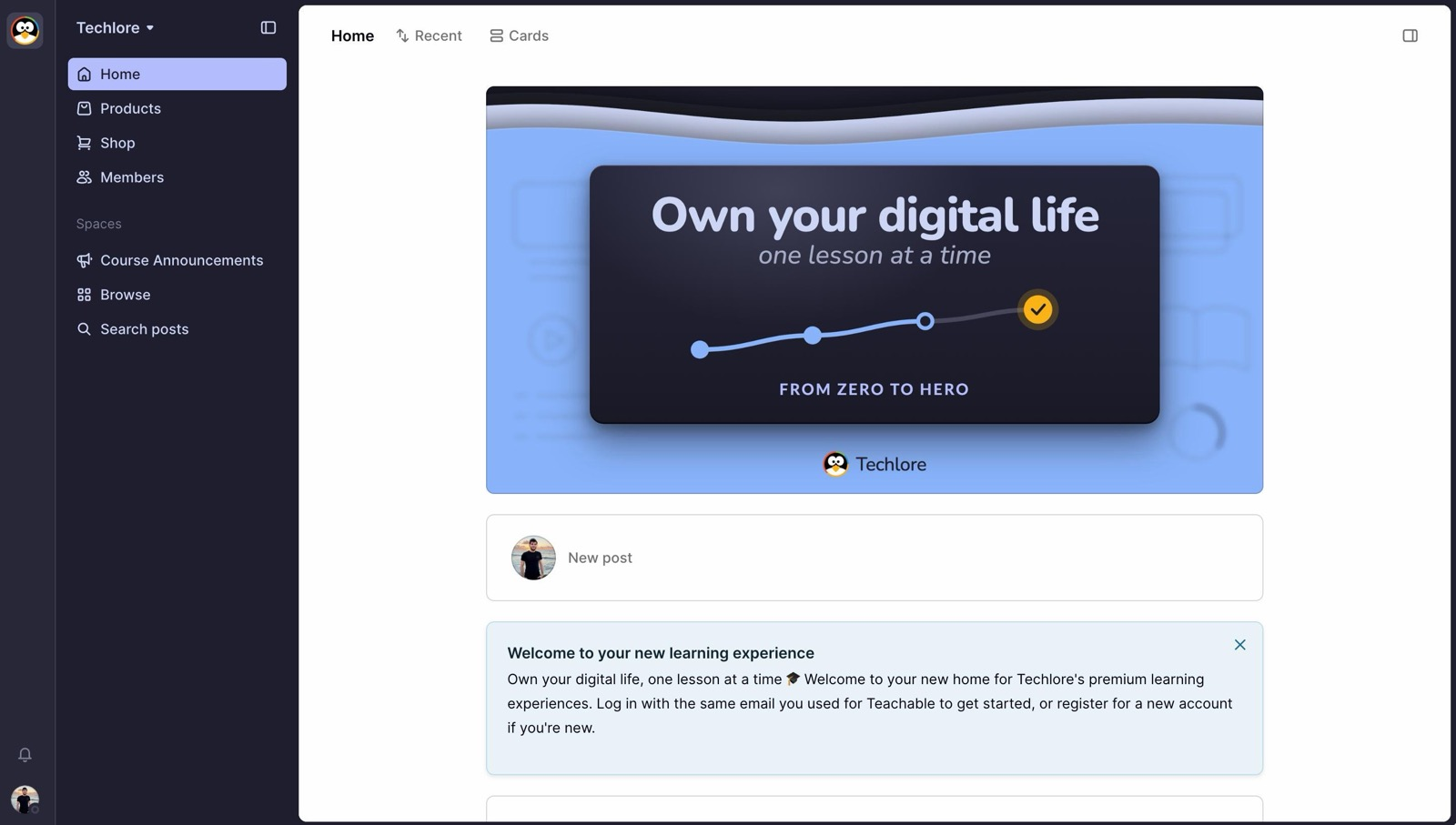
We've been hard at work on Go Incognito v2, with the first lessons completed and our new site going out to beta testers any day now. While I'm intentionally avoiding launch dates, I feel confident in saying it'll be ready soon, with preorders right around the corner 😄
Action Item ✅
The VPN world has shifted the last several weeks, so I'd suggest re-exploring your VPN workflow. Obscura is a new option if you were holding out on Windows, Private Relay may have lost your trust and a systemwide VPN is a new consideration, and all iOS users should run this test to find leaks.
Until next week 🫡
This Week's Sources
Highlight
- https://www.mullvad.net/en/blog/2026/8/24/introducing-multihop-modes/
- https://obscura.com/blog/introducing-obscura-windows/
- https://cyberinsider.com/apple-quietly-fixes-icloud-private-relay-ip-leak-in-safari/
- https://news.slashdot.org/story/26/08/22/0220219/firefox-announces-free-vpn-and-startpage-search-engine-rolling-out-to-android-ios---plus-geforce-now-support
- https://leaks.psylo.app/
Story 1: Flock's new AI gives police a search engine for your movements
- https://www.wired.com/story/flock-safety-os-investigate/
- https://www.404media.co/darth-vader-spoke-in-support-of-flock-at-san-diego-city-council-meeting/
Story 2: Meta pays $16.68 billion over kids' social media harms
- https://www.reuters.com/world/us/meta-settles-with-us-states-over-social-media-harms-2026-08-26/
- https://www.eff.org/deeplinks/2026/08/eff-statement-meta-settlement
- https://www.socialmediatoday.com/news/new-zealand-introduces-teen-social-media-restrictions/828662/
Story 3: Open-source X viewers Nitter & XCancel forced offline
The Defense Bulletin
Data Breaches
- https://www.bleepingcomputer.com/news/security/hospital-operator-nutex-health-says-data-stolen-in-cyberattack/
- https://www.bleepingcomputer.com/news/security/lacma-data-breach-last-year-exposed-social-security-and-medical-data/
- https://techcrunch.com/2026/08/21/private-equity-firm-apollo-confirms-data-breach-amid-hacking-wave-targeting-financial-giants/
Threats
- https://www.bleepingcomputer.com/news/security/hackers-target-wordpress-sites-in-miniorange-auth-bypass-attacks/
- https://www.bleepingcomputer.com/news/security/critical-avada-wordpress-theme-flaw-enables-zero-click-rce/
- https://www.bleepingcomputer.com/news/security/ubiquiti-patches-three-max-severity-security-vulnerabilities/
- https://techcrunch.com/2026/08/26/medical-device-maker-boston-scientific-says-a-cyberattack-is-causing-a-global-disruption-to-its-operations/
- https://www.bleepingcomputer.com/news/security/hackers-abuse-npm-mirrors-to-host-phishing-redirect-pages/
- https://arstechnica.com/gadgets/2026/08/ads-and-tracking-infiltrated-tvs-now-theyre-coming-for-monitors/
- https://www.wired.com/story/openais-hugging-face-hack-debrief-raises-more-questions-than-it-answers/
- https://mysk.blog/2026/08/25/responsible-disclosure/
FOSS+ Updates
- https://www.waterfox.com/releases/6.7.1/
- https://tech.slashdot.org/story/26/08/26/0633229/firefox-157-will-include-jpeg-xl-by-default-on-all-platforms
- https://community.signalusers.org/t/beta-test-signal-desktop-for-linux-arm64/76184
- https://alternativeto.net/news/2026/8/mastodon-4-7-adds-encrypted-private-keys-smoother-migrations-and-fediverse-protocol-updates/
- https://tuta.com/blog/tuta-calendar-time-zones
- https://techcrunch.com/2026/08/25/apple-rescues-hide-my-email-feature-from-the-privacy-scrap-heap/
- https://linuxiac.com/debian-opens-vote-on-the-future-of-ai-assisted-contributions/
- https://theprivacydad.com/its-ok-to-take-a-break-from-thinking-about-digital-privacy/
Written by

Get Ahead of the Snoops with Surveillance Report
Surveillance Report: what matters in privacy, security, and digital rights. Weekly, free.