Is This the Future of Phone Security? A First Look at Ledger Atom
Ledger Atom puts a second, secure computer inside a phone, built to keep your secrets safe even if the phone itself gets hacked. Here’s how it works, what it means for the hardware wallet supply chain attack, and what my initial impressions are.

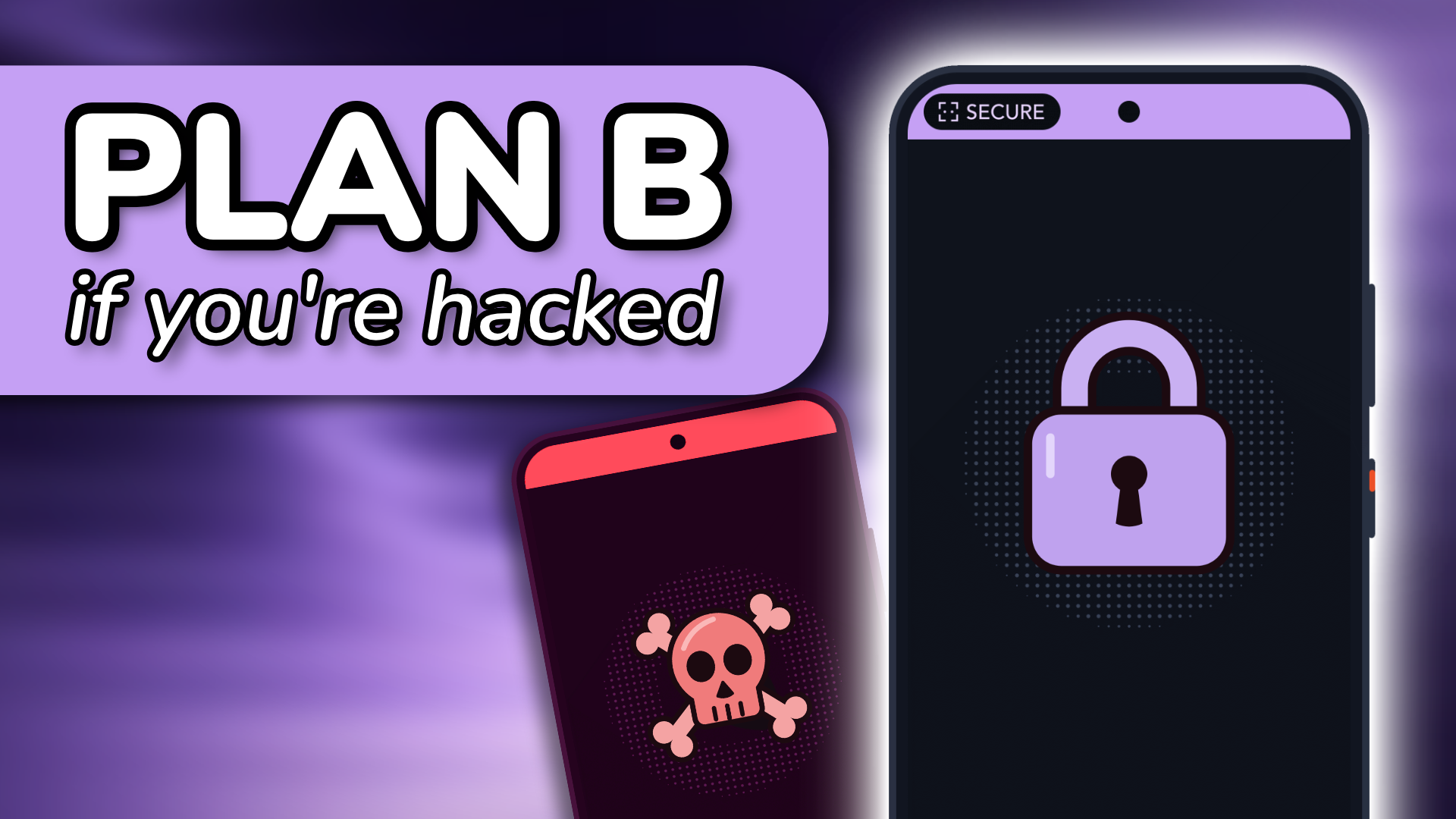
Ledger Atom is a new device from Ledger, the hardware wallet company, that puts a second, secure computer inside a phone. This is a fresh concept with some open questions, so I'll do my best in this post to cover how it works, why it exists, and what's still unknown. Let's get into it!
Watch on Techlore.TV for an ad-free, surveillance-free viewing experience
The problem it's solving
Up until now, if you're hit with malware that takes over your device, it's pretty much game over. Apps like Signal encrypt your data on-device, but once your phone is unlocked, that data sits in regular memory where malware can reach it. This is why high-security services like Lockdown Mode on iOS and GrapheneOS put in so much emphasis on keeping devices as safe as possible to prevent this from happening in the first place.
But some phones have shown signs of going further: Apple Pay for example wires the side button directly to the Secure Enclave so even software with root access can't spoof an Apple Pay authorization. But that doesn't protect what's on your screen. That's an important distinction because malware can change what you think you're approving. (Think malware that makes you think you're sending money to your friend, but you actually approve a transfer to a hacker)
How Atom works
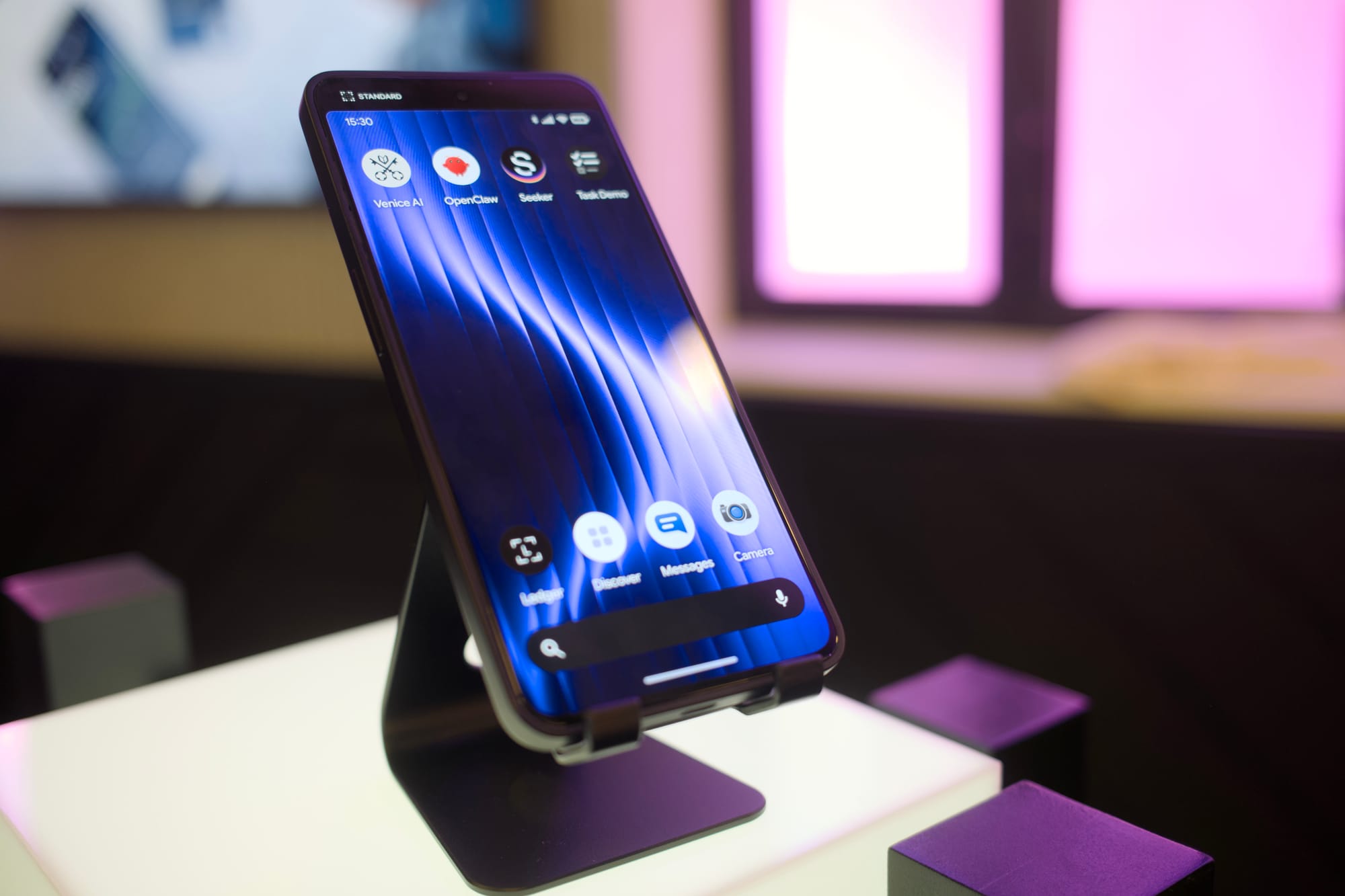
The best way I can describe Atom is two worlds on the same device: regular Android on one side, and a secure side running Ledger OS on the other. Here’s what that gets you:
- A secure bar. When the secure side takes over the screen, a bar at the top lights up, so you know you’re not looking at something malware drew.
- Apps can build on it. In theory, Signal messages could be decrypted and shown only by the secure side, so even malware on Android can’t read them. If both people were using Atom, a message could stay protected from one secure side to the other....The asterisk: apps actually have to build for it, and it’s still too early to know if they will.
- Hardware protections. A physical switch cuts power to the camera and mic, and the device has built-in tamper detection (more on that below).
Atom is set to launch in summer 2027 (pending certification) at $849 for the Founders Edition, with a refundable $100 deposit to reserve one, and $899 after launch. It has a data-only eSIM, gets five years of Android updates, and Ledger promises spare parts for seven years after the last unit is sold.
What about tampered devices?
The timing of this launch was a little awkward. The same week Ledger unveiled Atom, people who bought Ledger wallets from one authorized reseller in Southeast Asia lost their cryptocurrency. Someone had opened the devices before they were sold and hidden a chip inside that read the 24-word recovery phrase right off the screen during setup. A couple weeks later, Trezor reported suspected tampering in devices from the same reseller.
With Atom, Ledger went a different route: an active shield and a mesh circuit inside the device that detect if anyone tries to open it or drill into it, with a tiny backup battery so it keeps working even when the phone is dead. Older Ledger devices won’t get that shield, though Ledger says a different fix is coming and I'll be following to see what that is.
For most people, hardware wallets are still the safest way to hold crypto yourself, and this attack ran through a single reseller in one region. But it’s a good reminder to buy direct whenever you can, and to buy with privacy in mind (alias emails, Privacy.com or prepaid cards, paying cash in store, shipping to a private mailbox). That goes for any hardware wallet, not just Ledger! Especially when there's a history of data breaches linked to the purchase of these devices. If you need something without any paper trail whatsoever, solutions like Cupcake provide similar signing capabilities using a secondary phone you already own.
Should you get one?
I want to be clear: this is not a smartphone in a traditional sense. It’s data-only, meaning no calls or texts, so for most people it's going to be a second device rather than a daily driver.
I also wouldn't classify this as a traditional 'privacy phone'. If you’re hoping for a GrapheneOS alternative, this isn’t it. Ledger is leaning toward regular Google Play Services so apps like banking work, and they don’t (currently) plan to unlock the bootloader. We'll see if this stance changes.
The way I'm thinking about it: Atom doesn’t replace things like GrapheneOS, Lockdown Mode, or Android’s Advanced Protection. Those make it harder for attackers to get in. Atom assumes they already got in, and keeps your most important secrets somewhere they can’t reach.
Right now I think Atom could make sense for high-value targets, people moving serious amounts of cryptocurrency, anyone who wants a dedicated high-security second device, and enthusiasts. The concept of this phone is genuinely pretty novel, but I expect mainstream usability to come later.
Will I get one?
To be decided if I'll get one. There’s still a lot I want to see. Will apps like Signal or my bank build for Ledger OS? How much will the Google Play Services dependency matter day to day? Will they be open to alternative operating systems?
But beyond the device, the concept is one that's here to stay. I haven’t seen anything take such an ambitious swing at improving the mobile space's security in some time, and I’d love to see the tech be embraced by Apple, Google, and custom ROMs down the road. If that happens, getting hit with malware might not be quite game over, with messages + money + passwords potentially still being safe.
My full interview with Charles, Ledger’s CTO, is coming soon, so keep an eye out for that one, as I asked him a lot more questions.
Written by

Get Ahead of the Snoops with Surveillance Report
Surveillance Report: what matters in privacy, security, and digital rights. Weekly, free.