Naomi Brockwell on Digital Privacy Legislation, the Third Party Doctrine, and Fighting the Surveillance State with The Surveillance Accountability Act
Techlore Talks brings you in-depth conversations with the experts at the forefront of digital rights, privacy and security.

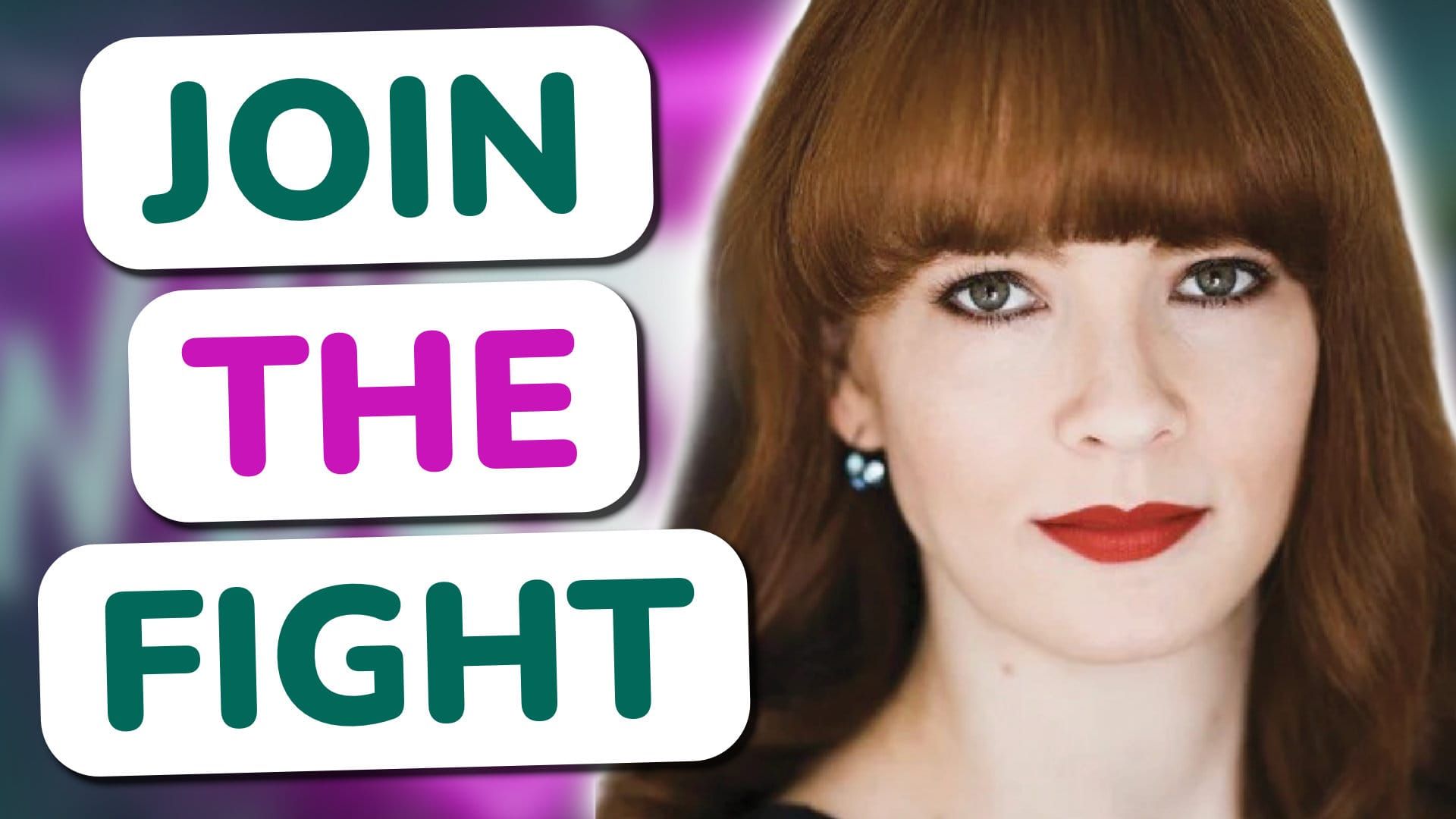
Naomi Brockwell on the Surveillance Accountability Act, Developer Arrests, and Why You Can’t Opt Out | Techlore Talks | Episode 71
The federal government doesn’t need a warrant to buy your location data, your financial records, or your private information from data brokers. The Surveillance Accountability Act wants to change that. In this Techlore Talks interview, Henry sits down with Naomi Brockwell, host of NBTV and…


The federal government doesn't need a warrant to buy your location data, your financial records, or your private information from data brokers. The Surveillance Accountability Act wants to change that.
You can't just wait until you need privacy
There were many options for a good teaser here, but I chose this one:
Naomi: "No one is doing the work. This idea that ‘I’ll just explore privacy when I need it’ isn't going to cut it. Privacy could be outlawed by the time that comes around."
To me, that framing hits differently than most other privacy arguments. It's not just about getting people to switch to Signal anymore. If something doesn’t change, we’re facing a world where these tools might not be legal to use at all, and those who develop them end up behind bars.
Decentralization doesn't automatically include privacy
There's a common assumption that if something is decentralized, it's inherently private. Naomi pushes back on this, and it's one of the most clarifying things I've heard on the topic:
Naomi: "You can't stop the system. You can target individuals everywhere and a system can keep running. But individuals will not have the freedom to use that system safely if they don't know how to use the internet privately. That is the big difference people are just not thinking about."
Decentralization protects the system. It doesn't protect you.
On privacy doomerism
Naomi's reframe of AI, which many people treat as purely a threat, is thought-provoking:
Naomi: "Suddenly individuals have the same power in their hands as governments previously used to target and oppress them. That's empowering. That's a reason to rejoice."
She's not dismissing the threat. She's pointing out that the same technology enabling mass surveillance can be run locally on your own hardware. You can analyze the telemetry leaving your device. You can plug the leaks. These weren't capabilities most of us had before. And, on opting out entirely, she said:
Naomi: "You can't opt out, guys. Gone is the era where you can be a Luddite and say I won't participate. Flock cameras are everywhere. Throwing out your devices won't save you as you walk down the street. So now, you have to decide: Which weapon are you going to put in your arsenal?"
This is the reality of modern life. It's completely unrealistic to think we can fully escape the system. So, a decision has to be made about how to exist within the system.
Why are governments and companies getting away with this?
People understand a warrant is needed for law enforcement to walk into your house and dig through your stuff. They need a warrant to physically take your belongings, including digital devices like your phone and computer. But when it comes to digital information, it's a free-for-all.
Henry asked why Naomi thinks this is the case, and her first point resonated deeply:
Naomi: Digital surveillance is not visible to the eye. It's not like someone's pounding on your door and you get that physical interaction with them. When that happens, it's very clear when a government is intruding into your protected space. When they're querying Google's database and going through all of your emails from the last 15 years, and checking all of your private messages, and checking the flock cameras to see everywhere you've traveled, they could do it without you even knowing.
Most people have no idea this is happening. If they knew just how deep this rabbit hole was, I'd like to think there would be serious outrage.
The Surveillance Accountability Act
The bill itself is straightforward in concept: If the government wants to search your data (including buying it from a data broker), they need a warrant. That's what the Fourth Amendment already says. The loophole being closed is that buying data from a third party doesn't currently count as a "search" under existing court precedent, so no warrant is required.
Naomi: "The judiciary is nowhere in sight. There's zero accountability and no one's getting warrants anymore. They're literally just buying giant data sets from data brokers and searching them at will. No probable cause. No reason. They're going on fishing expeditions."
The bill also includes a private right of action — if the government doesn't get a warrant, you can sue them. If you want to support it, check out the site. There's a script you can copy and paste to contact your representative.
Why contacting your rep actually works
Naomi gives the most practical explanation I've heard for why individual action matters:
Naomi: "If you get 10 people to call a specific rep, that's enough to get that rep briefed. You get a hundred people, that's a bigger briefing. You get a thousand people in a district and suddenly they're like, okay, this seems like a really big issue for our constituents."
Politicians respond to re-election pressure above almost everything else. Constituents are one of only two levers that move them. Most people consistently underuse that lever, and Naomi makes the case for why that gap needs to close.
My takeaways
This interview reminded me that tools alone aren't enough; that digital rights, like any other rights, have to be fought for. Naomi's not asking anyone to abandon the tools. She's saying we need people showing up in every arena: technology, yes, but also legislation and litigation.
🔐
Listen to the podcast on Apple Podcasts, Spotify, other podcast apps, or RSS. You can also watch Techlore Talks on YouTube or Techlore.TV
Episode Sources
• Surveillance Accountability Act: https://surveillanceaccountability.com
• Contact your rep (script included): https://surveillanceaccountability.com/support
• Naomi Brockwell TV: https://nbtv.media
• Naomi's 501(c)(3): https://www.ludlowinstitute.org
Written by

Get Ahead of the Snoops with Surveillance Report
Surveillance Report: what matters in privacy, security, and digital rights. Weekly, free.