Apple Quietly Downgrades Hide My Email, Plus Chrome Kills uBlock Origin & Google's IP Tracking
Apple's Hide My Email aliases are moving to a subdomain that sites can easily block. Plus Chrome ends uBlock Origin, Google eyes your IP, and the Arch AUR mess.

📰
Listen to the weekly podcast on Apple Podcasts, Spotify, other podcast apps, or RSS. You can also watch Surveillance Report on YouTube or Techlore.TV
On Our Radar 🎯
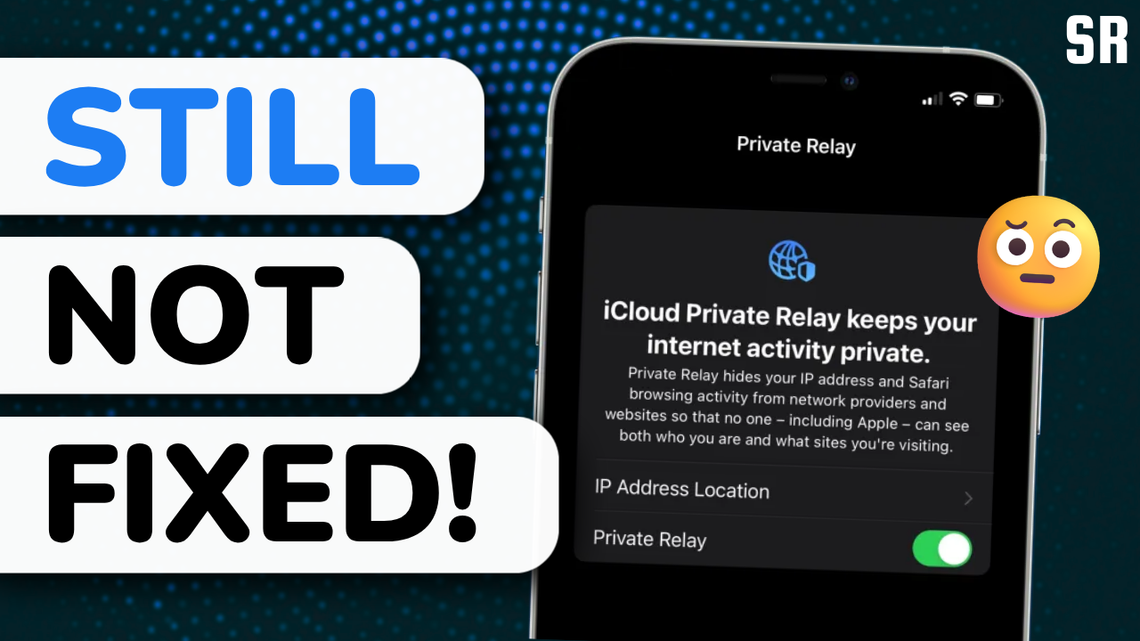
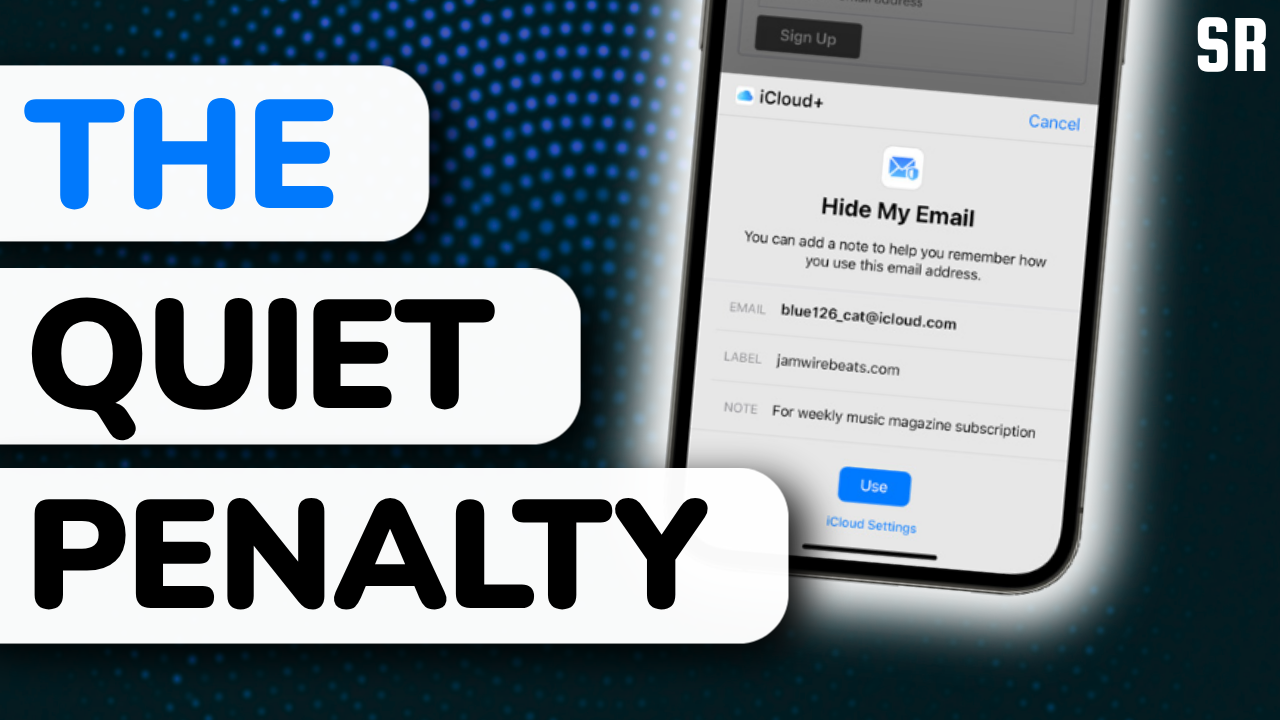
Apple is Downgrading Hide My Email, Making it Easier to Block
Apple left developers a note: in the coming weeks, the addresses generated by Hide My Email will move off icloud.com and onto a new private.icloud.com subdomain. This might sound like nothing...but in practice it's a meaningful downgrade.
To be clear, this doesn't change the privacy or security of the service itself. It's still a forwarding alias, you're still trusting Apple, and it was never end-to-end encrypted. What changes is that the new subdomain makes it trivial for any app or website to look at your email and go, "that's a Hide My Email address," and refuse the signup.
As I'm sure almost all of you experience, this is the typical pattern: You buy a VoIP number from MySudo or Google Voice and half your accounts reject it. You set up a SimpleLogin or Addy alias and sites tell you it's not a "real" email. Apple's change just hands websites an easy switch to do the same thing to the most mainstream aliasing tool out there.
I think there's an important upstream fight beyond just encryption—it's the right to use any provider on equal footing. If a site accepts a Gmail address but blocks a SimpleLogin one, that's penalizing people for not using big tech. I'd love to see digital-rights pressure (this could live right next to the DMA and interoperability) that says a service can't reject you just because you didn't pick the inbox they wanted you to.
And it's not only Apple. This week Google told advertisers it'll start using IP addresses for ad measurement and personalization across the EEA, UK, and Switzerland on or shortly after August 3.
What you can do: If you rely on Hide My Email, don't wait to get blocked. Pair with an open-source aliasing service, they're also compatible with iCloud so you can stack tools on the same email. Many of them allow custom domains too so they live on a domain you control which is a bit harder to single out and block. For the Google change, decline non-essential cookies, review ad personalization in your Google account, and hide your IP with a VPN (or Tor) where it matters.
Bits & Bytes 🤖
~ Story 1: Chrome's next update kills popular ad blockers for good There's a technology behind every browser extension called Manifest. The old version (V2) is what powered ad blockers like uBlock Origin. Google's newer V3 is far more restrictive, and a fresh Chromium commit removes the last flag that let you keep running V2 extensions at all.
My take: Google is mostly an ad company that also owns a browser and YouTube, who's also deciding the extension rules for the entire Chromium ecosystem is a real conflict of interest. Brave and Vivaldi have committed to keeping V2 alive, so we'll see how sustainable their workarounds are once the flag is gone. If ad blocking matters to you, this is the moment to look beyond Chrome. This is a great story to share with friends/family who are still using Chrome as well 😄
~ Story 2: Canada and the UK push sweeping new surveillance laws Canada is forging ahead with a surveillance bill the EFF, Citizen Lab, the Canadian Civil Liberties Association, Signal, Apple, Google, and VPN providers all oppose. It pushes metadata retention, expands data-sharing with foreign governments, and creates a mechanism to demand encryption backdoors. Meanwhile, the UK wants to ban social media for under-16s and require ID or face scans to make an account.
My take: When that many groups who usually agree on nothing line up against a bill, that tells you everything you need to know. And on the UK ban, banning kids from a platform instead of fixing the platform is like banning kids from parks because the parks are dangerous. The companies exploiting people through algorithms and data collection are the problem; make them accountable and safe instead of building an age-verification machine that's a privacy nightmare for everyone. If you're in Canada or the UK, contact your representatives! Every domino that falls here is bad globally.
~ Story 3: The Arch Linux AUR malware mess gets worse
The Arch User Repository is one of the most powerful things about Arch, anyone can publish to it. That's also the risk. What was first reported as ~400 compromised packages turned out to be more than 1,500, and a second, more obfuscated malware wave landed just two days after the first.
My take: This genuinely freaks me out, and it should freak you out if you use the AUR. This isn't unique to the AUR, it's the trade-off any time you install from a crowdsourced repo with no well-resourced gatekeeper in your corner. It's the same reason I don't treat a community Flatpak as a trustworthy way to run Signal on Linux: I don't enjoy trusting a random maintainer to ship my security updates. If you use the AUR, check the affected package lists in the sources and get more of your software from official developers where you can.
This Week on Techlore 📺
We had a nice week off with some scheduled content to keep the feeds moving along, so thank you all for your patience! I'm excited to get back into the rhythm.
I put out some takes on VPNs and my favorites (and least favorites) for the 2026 VPN tier list:
VPN Tier List 2026: Mullvad, IVPN, Obscura, Nord, Surfshark, and More
Your VPN sees every site you visit, every app you use, and every search you make. Choosing the wrong one means trading your ISP’s surveillance for something potentially worse. Here’s our 3rd tier list of 2026! Watch on Techlore.TV for an ad-free, surveillance-free viewing experience
 Tori
Tori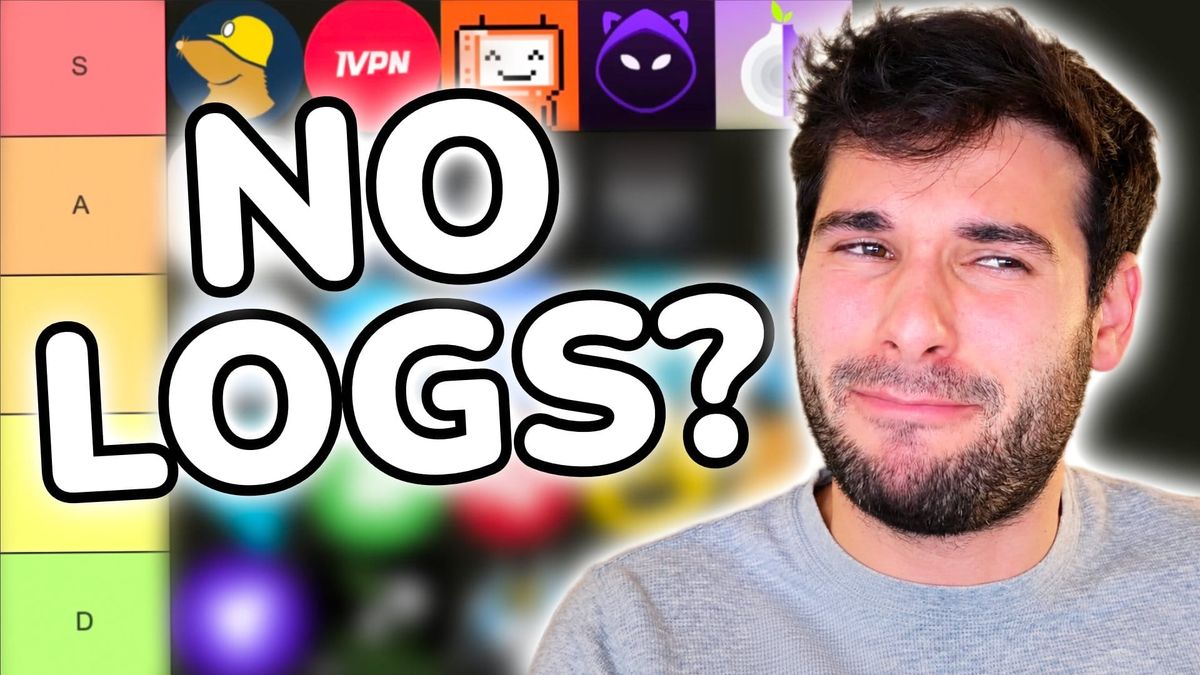
I did a first-look review of Loupe, a super cool new open source iOS app that tells you everything apps can see about you without granting any permissions. It's a GREAT tool to send to friends/family, and it's free to use:
Permission Not Required: The Open Source iOS App that Makes the Invisible Visible (Loupe Review)
App tracking is mostly invisible, but now there’s a free & open source iOS app that changes that. Loupe shows you what any app on your iPhone can quietly collect without asking for a single permission. This video walks through what it reveals, why it matters, and what you can
 Tori
Tori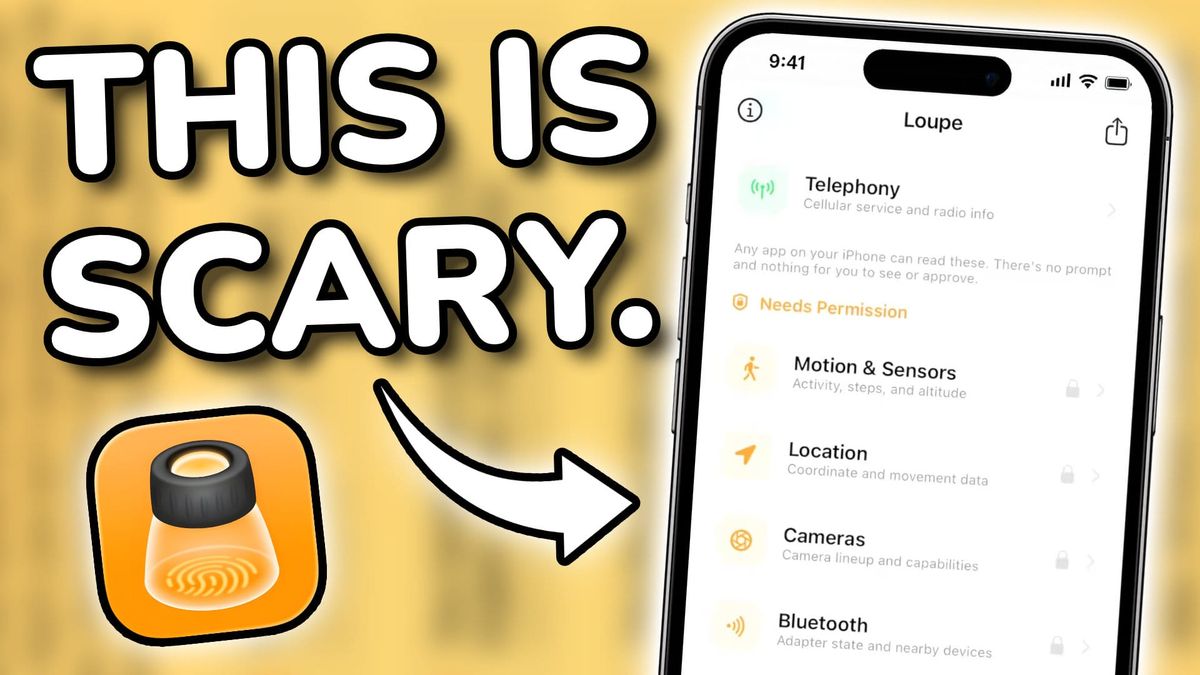
I interviewed my good friend John Ozbay from Cryptee about the struggles they went through balancing E2EE sharing with the potential for CSAM, and how to balance these competing values. It was very enlightening!
Cryptee Launches End-to-End Encrypted Photo Sharing: Legal Risks, Preventing Abuse, and Their Solution
Techlore Talks brings you in-depth conversations with the experts at the forefront of digital rights, privacy and security.
 Tori
Tori
Finally, a quick video on some Apple Maps alternatives in light of them rolling out ads:
Apple Maps Is Getting Ads, So What Should You Use Instead?
After years of recommending Apple Maps as a private Google Maps alternative, that recommendation just got more complicated – Apple Maps is getting ads. Here are three alternatives worth knowing about. Watch on Techlore.TV for an ad-free, surveillance-free viewing experience
 Tori
Tori
Action Item ✅
If you lean on Hide My Email, don't wait for the blocks to start. And if you're in Texas, check the state breach disclosure in the sources: 3 million driver's licenses and passports were exposed.
This Week's Sources
Highlight: Apple Just Downgraded Its Privacy In a Key Way
- https://techcrunch.com/2026/06/16/apple-plans-to-change-its-hide-my-email-privacy-feature-that-could-make-it-less-effective/
- https://techcrunch.com/2026/06/22/a-new-unpatchable-flaw-in-apple-chips-opens-the-door-to-an-iphone-jailbreak/
- https://www.bleepingcomputer.com/news/security/google-to-use-uk-and-eu-user-ip-addresses-for-ad-personalization/
Story 1: Google Chrome's Next Update Kills Popular Ad Blockers
Story 2: Canada and the UK Push Sweeping New Surveillance Laws
- https://www.eff.org/deeplinks/2026/06/canada-forging-ahead-its-dangerous-surveillance-bill
- https://www.theguardian.com/media/2026/jun/15/social-media-ban-uk-under-16-starmer
- https://www.bleepingcomputer.com/news/security/uk-to-require-id-or-face-scan-before-you-can-make-social-media-accounts/
Story 3: Russian Spam Is Now Plaguing the Arch Linux AUR
The Defense Bulletin
Data Breaches
- https://techcrunch.com/2026/06/18/texas-government-data-breach-allowed-hackers-to-steal-3-million-drivers-licenses-and-passports/
- https://www.bleepingcomputer.com/news/security/lastpass-confirms-data-breach-in-klue-supply-chain-attack/
- https://techcrunch.com/2026/06/22/klue-hack-results-in-data-breach-at-several-cybersecurity-firms/
- https://www.bleepingcomputer.com/news/security/irhythm-discloses-data-breach-says-hackers-stole-patient-info/
- https://www.bleepingcomputer.com/news/security/kodak-confirms-data-breach-claimed-by-shinyhunters-extortion-gang/
- https://www.404media.co/hackers-publish-knicks-and-madison-square-garden-data-online/
- https://techcrunch.com/2026/06/16/bug-in-fifa-world-cup-internal-system-gave-anyone-ability-to-modify-tv-stream/
- https://bobdahacker.com/blog/fifa-hack
Threats
- https://www.bleepingcomputer.com/news/security/critical-fortinet-fortisandbox-flaws-now-exploited-in-attacks/
- https://www.bleepingcomputer.com/news/security/hackers-exploit-info-disclosure-bug-in-gravity-smtp-wordpress-plugin/
- https://www.bleepingcomputer.com/news/security/shapedplugin-update-flow-hacked-to-infect-wordpress-sites/
- https://www.bleepingcomputer.com/news/microsoft/microsoft-working-on-defender-patch-for-rogueplanet-zero-day/
- https://www.bleepingcomputer.com/news/security/ffmpeg-fixes-pixelsmash-flaw-in-widely-used-video-decoder/
- https://arstechnica.com/security/2026/06/windows-and-linux-users-the-deadline-to-update-secure-boot-keys-is-near/
- https://arstechnica.com/security/2026/06/critical-copilot-vulnerability-allowed-hackers-to-seal-2fa-code-from-users/
- https://www.bleepingcomputer.com/news/security/apple-fixes-beats-studio-buds-flaw-that-let-hackers-spy-on-conversations/
- https://arstechnica.com/security/2026/06/following-user-outcry-amd-reinstates-memory-encryption-in-consumer-cpus/
FOSS+ Updates
- https://blog.torproject.org/new-release-tor-browser-15016/
- https://alternativeto.net/news/2026/6/mozilla-launches-firefox-152-with-revamped-settings-jpeg-xl-support-and-easier-tab-muting/
- https://alternativeto.net/news/2026/6/firefox-152-tab-groups-new-features-and-public-roadmap-for-future-updates/
- https://tails.net/news/version_7.9/
- https://alternativeto.net/news/2026/6/privacy-focused-android-operating-system-grapheneos-has-fully-been-ported-to-android-17/
- https://alternativeto.net/news/2026/6/postmarketos-26-06-launches-with-gnome-50-kde-plasma-6-6-phosh-0-55-and-improved-booting/
- https://alternativeto.net/news/2026/6/kde-plasma-6-7-adds-per-screen-virtual-desktops-union-theming-system-and-wayland-updates/
- https://alternativeto.net/news/2026/6/altstore-pal-available-in-brazil-as-apple-enables-alternative-app-marketplaces/
- https://alternativeto.net/news/2026/6/proton-mail-launches-easy-switch-for-business-to-help-companies-move-away-from-google/
Written by

Get Ahead of the Snoops with Surveillance Report
Surveillance Report: what matters in privacy, security, and digital rights. Weekly, free.